

Skip to content
Skip to content
SensationalMinds

Support

Coaching & Mentoring

Practical strategies and steady mentoring for neurodivergent children, young people, parents and adults, built around how they actually experience the world.

Overview

Who this is for

  • Neurodivergent children and young people
  • Parents and carers wanting practical support at home
  • Adults who need work-based strategies and support
  • Anyone who understands their diagnosis but still struggles day to day

Why someone might seek this

None of the following confirms anything on its own. They are simply the experiences people most often describe when they contact us.

  • Therapy has helped with understanding, but the everyday struggles remain
  • They know what to do but find it hard to do it in the moment
  • Different support has been tried and nothing seems to stick
  • They need practical strategies, not just advice
  • Work or study demands are growing faster than coping strategies

Why coaching & mentoring?

We've Tried Therapy. Why Isn't It Helping?

Many families come to us after trying different forms of support and still feeling that their child or young person is struggling with the same challenges. This does not mean that therapy has failed. Sometimes the support a young person needs is not therapeutic intervention, but practical coaching, mentoring and skill development that helps them better understand themselves and navigate everyday situations.

Our Coaching & Mentoring programme is different from therapy.

Rather than focusing on treatment, these sessions focus on helping young people develop practical skills, strategies and self-understanding that can be applied in everyday life. Many neurodivergent young people already know that something feels difficult for them. What they often need is help understanding why, alongside practical tools and strategies that help them succeed at home, in school and in the wider world. Through structured, neuroaffirming support, we help young people build confidence, resilience and greater independence.

Therapy

May focus on

  • Exploring thoughts and feelings
  • Emotional wellbeing
  • Processing experiences
  • Mental health support

Coaching & Mentoring

Focuses on

  • Emotional regulation strategies
  • Managing changes to routine
  • Flexibility of thinking
  • Building confidence
  • Problem-solving skills
  • Self-advocacy
  • Understanding neurodivergent identity
  • Practical tools for everyday life

Both approaches can work alongside one another and are not mutually exclusive. Different young people need different types of support, and coaching can provide the practical tools that many young people need to grow, thrive and better understand themselves.

Practical Support, Not Just Talking

Some young people find traditional talking-based approaches difficult or may struggle to transfer insights from sessions into everyday situations. Coaching and mentoring provides practical, personalised support that helps young people develop skills they can actively use in daily life.

  • Discussion
  • Play-based activities
  • Problem-solving tasks
  • Visual supports
  • Goal-setting
  • Confidence-building activities tailored to the individual

What Families Often Tell Us

These are the kinds of things parents and carers say when they first get in touch. If any of them sound familiar, coaching and mentoring may be the practical bridge your young person needs.

  • My child understands their feelings but still struggles to manage them.

  • We've tried different support services but nothing seems to stick.

  • My child needs practical strategies, not just advice.

  • They know what they should do but they find it difficult to do it in the moment.

Coaching and mentoring can help bridge the gap between understanding a challenge and having the tools to manage it.

Sometimes the missing piece is not more talking. It is understanding, practical strategies and the confidence to develop as a neurodivergent young person.

Three layers of support

Coaching & Mentoring for Every Stage

There is no single version of coaching, because a seven year old struggling with transitions, a parent trying to hold everything together and an adult masking at work need very different kinds of support. We offer three layers of coaching and mentoring, each tailored to the person in front of us.

For children and young people

Child & Young Person Coaching

  • Emotional regulation strategies they can actually use
  • Managing changes to routine and transitions
  • Building confidence, flexibility of thinking and problem-solving skills
  • Self-advocacy and understanding their neurodivergent identity
  • Play-based activities, visual supports and goal-setting tailored to their age
  • Practical tools for home, school and friendships

For parents and carers

Parent Support & Coaching

  • Practical strategies for routines, meltdowns and everyday challenges at home
  • Understanding your child's neurodivergent profile and what sits behind behaviour
  • Consistent approaches that work across home and school
  • Support with your own confidence, energy and wellbeing as a parent
  • Help preparing for school meetings, reviews and conversations with professionals
  • A space to be heard without judgement

For adults in work or study

Adult & Work-Based Coaching

  • Task initiation, time management and realistic planning
  • Energy and demand budgeting to prevent burnout
  • Strategies for meetings, deadlines, emails and workplace communication
  • Preparing for reviews, interviews and difficult conversations
  • Reasonable adjustments and self-advocacy at work
  • Support with Access to Work and employer-funded coaching

In practice

A coaching and mentoring session at The Chill Out Centre in Colchester, with a practitioner and a young person building with colourful bricks together at a table
Coaching sessions are practical, relaxed and built around the young person's interests.
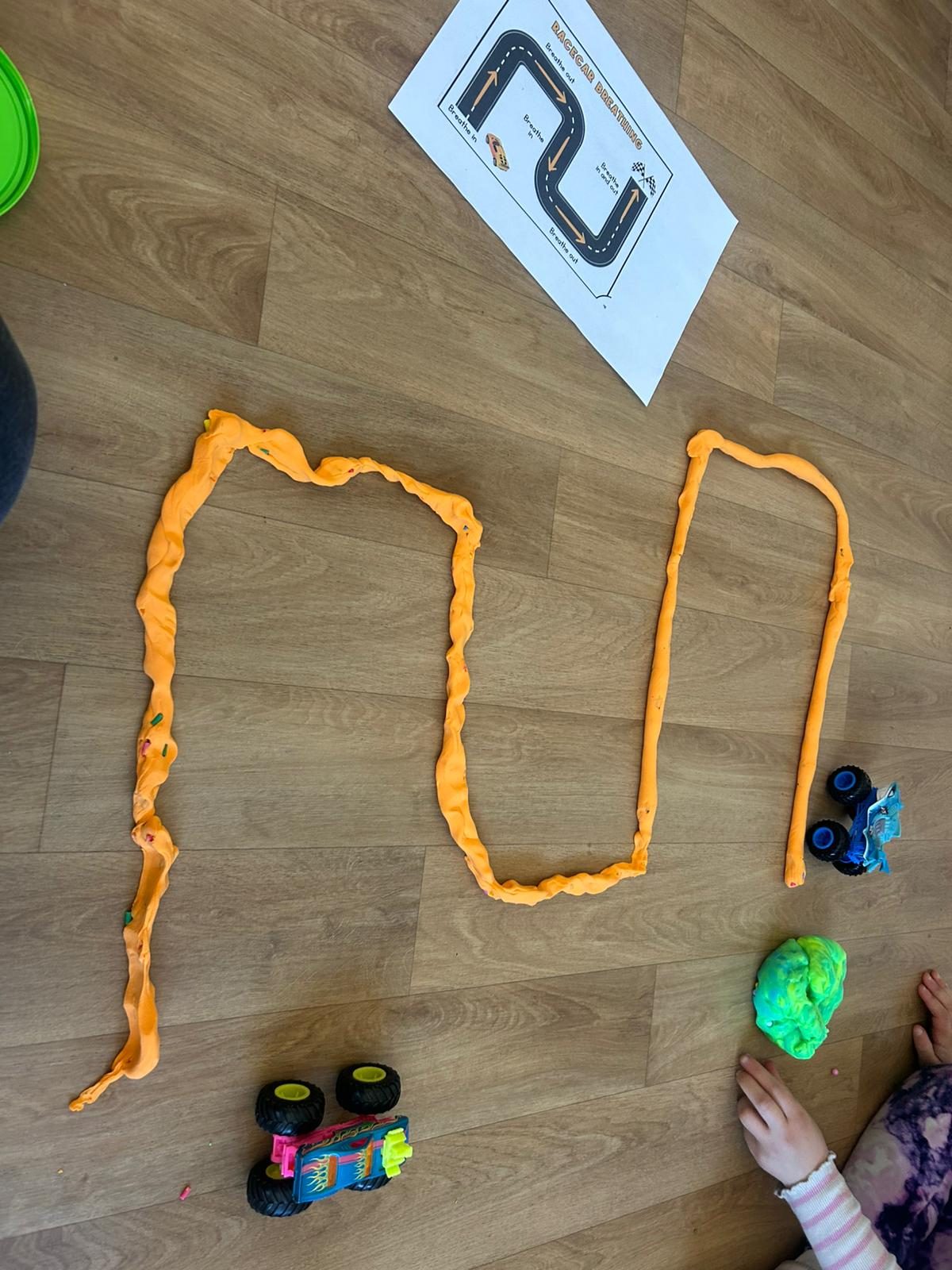
A long orange playdough racetrack laid out on the floor next to a printed racecar breathing sheet, with toy cars and green playdough beside a child's hands
Racecar breathing brought to life with playdough, turning a calming strategy into something hands on.
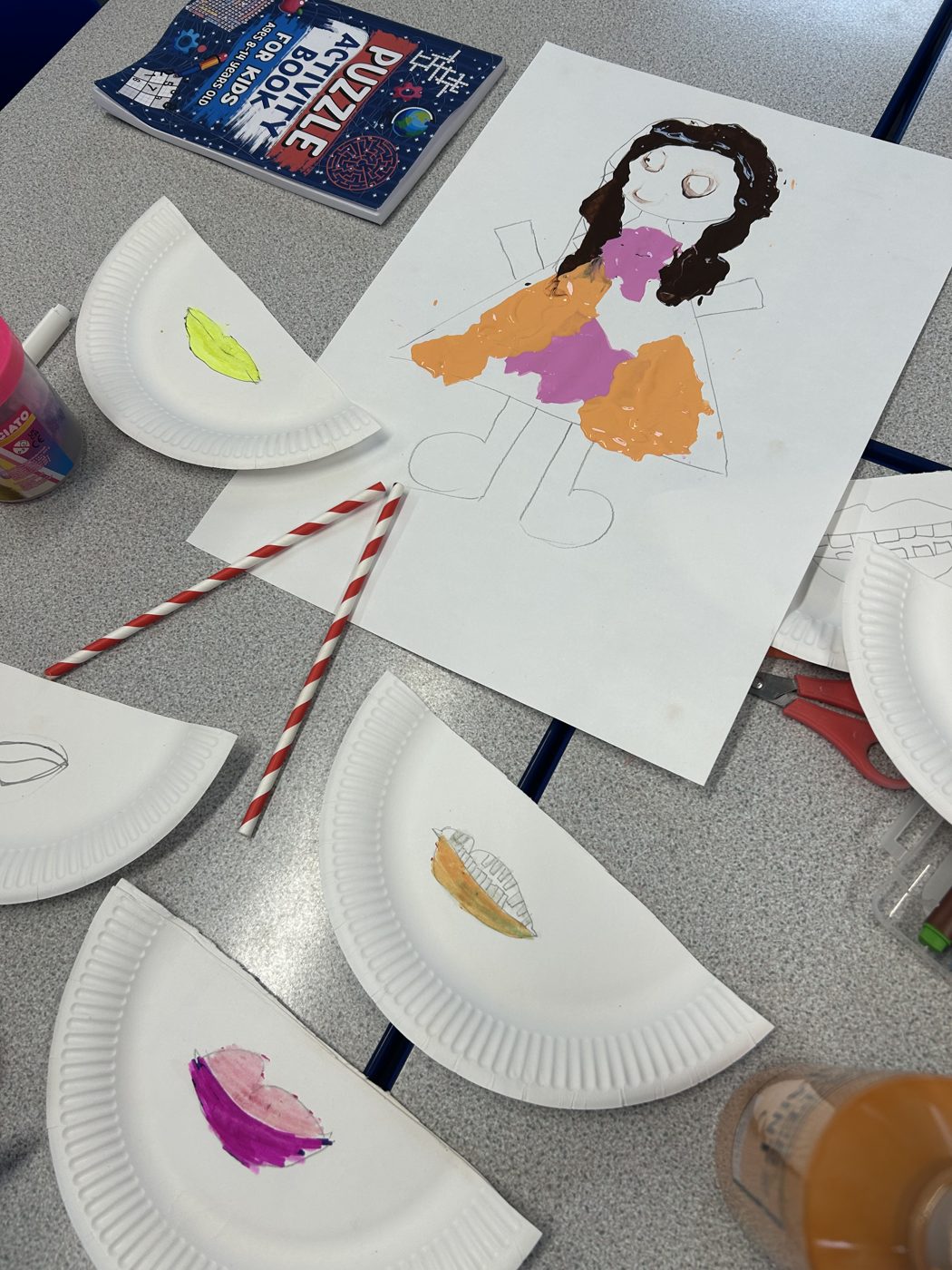
A table set up for a coaching activity with paper plates, coloured paints, straws and a child's painted self portrait
Creative activities help young people explore how they see themselves.
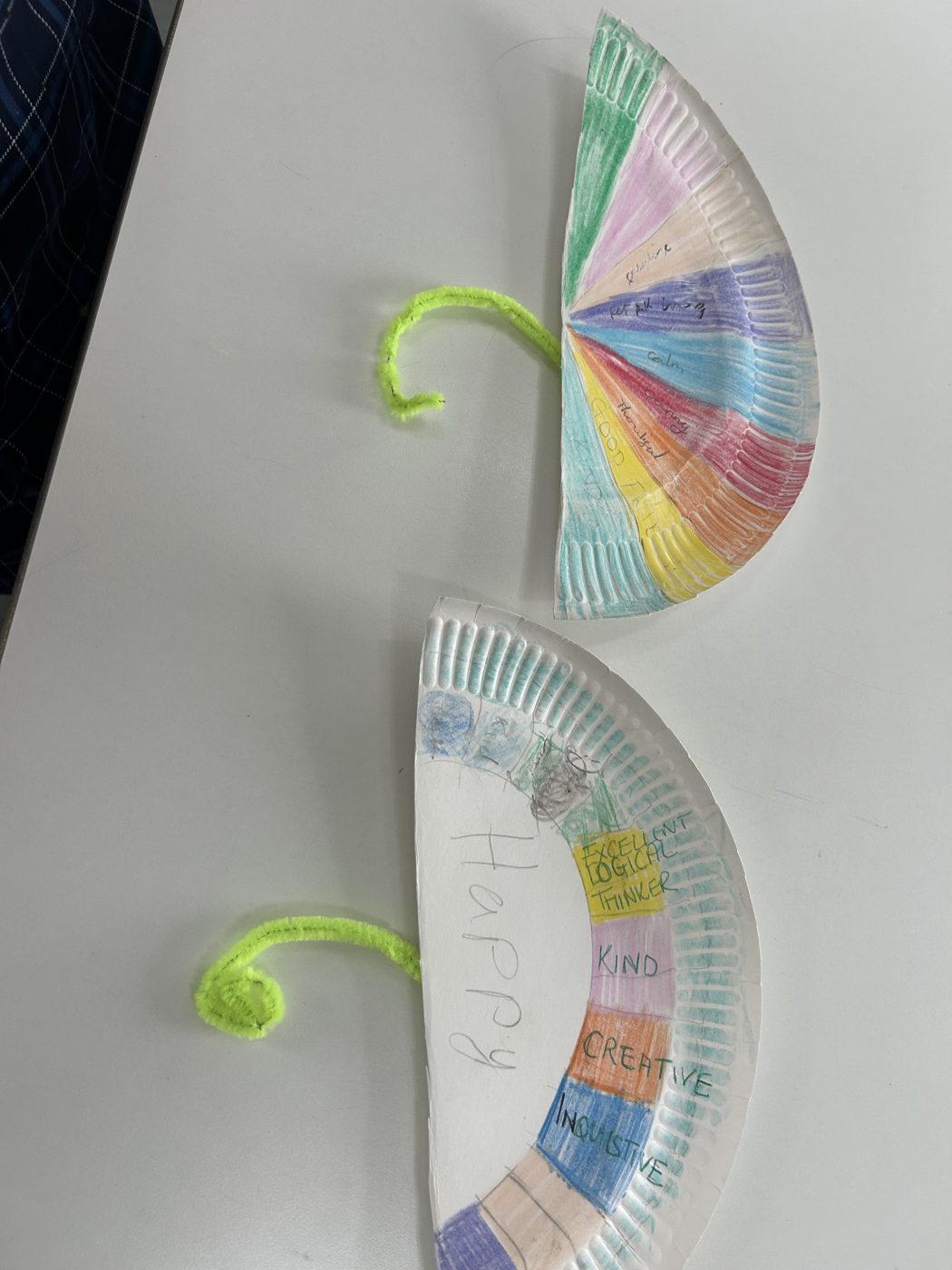
Two paper plate strength wheels coloured in segments labelled happy, kind, creative, inquisitive and excellent logical thinker
Strength wheels made in session, naming what each young person is proud of.
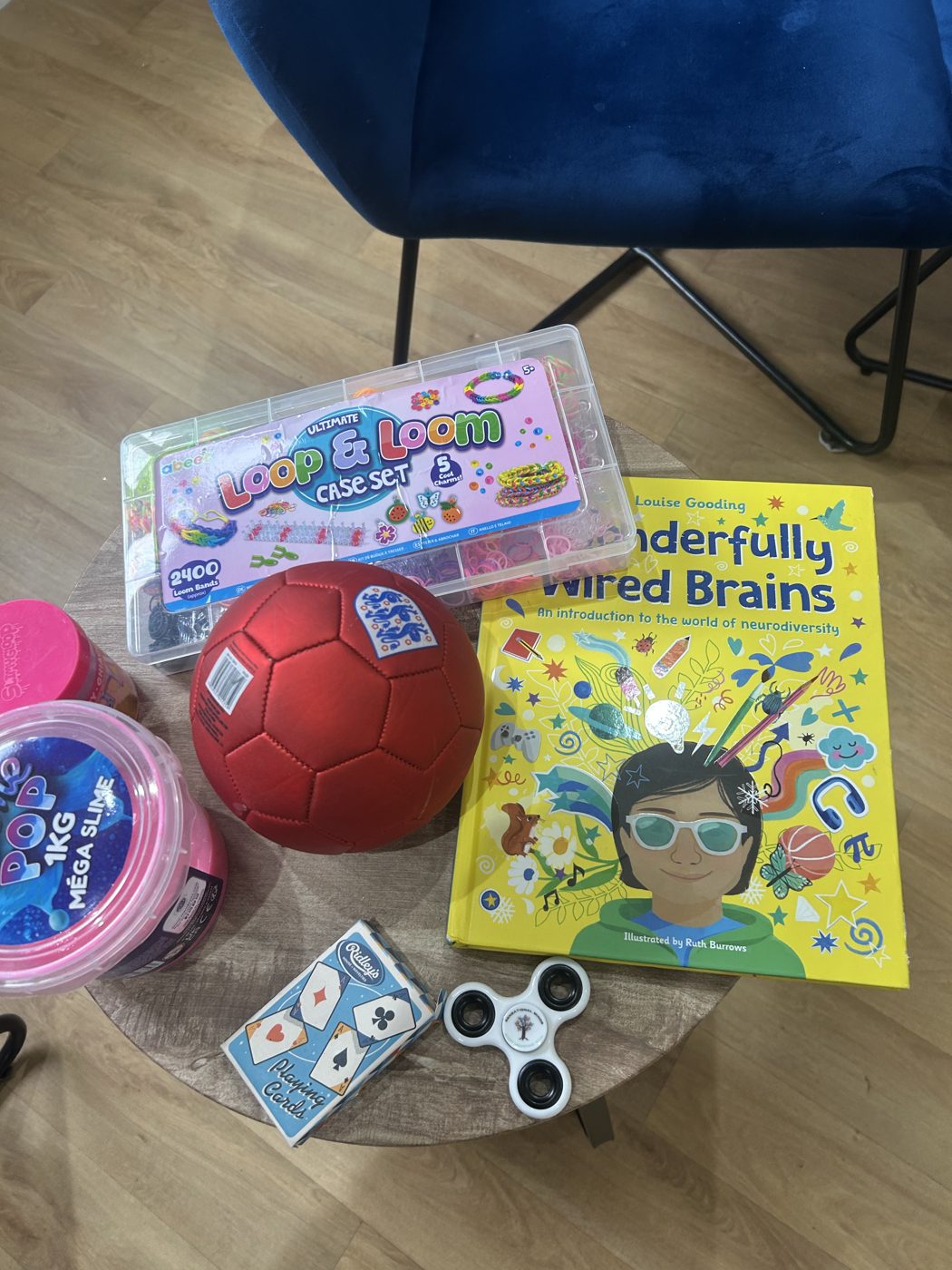
A coaching side table holding loom bands, a football, slime, playing cards, a fidget spinner and the book Wonderfully Wired Brains
Sensory and fidget resources are always available so sessions feel comfortable.
A round wooden table with building blocks, a motorised race car model kit, slime and Get Talking conversation cards for children
Conversation cards and building activities give young people a low pressure way to talk.

In short

What is ADHD or neurodivergent coaching?

Neurodivergent coaching is a structured, practical, forward-looking partnership focused on how a person actually functions rather than how they are supposed to. Unlike therapy, it does not primarily address emotional processing or past experience; unlike generic productivity coaching, it starts from the assumption that conventional advice, try harder, make a list, just start, has already failed for structural reasons. Typical areas include task initiation and how to reduce the activation cost of starting; externalising time, since internal time perception is often unreliable; designing environments that make the right action the easiest one; energy and demand budgeting to prevent burnout; managing rejection sensitivity; and preparing for meetings, exams or reviews. Sessions are usually fortnightly, forty-five to sixty minutes, and involve testing an approach between sessions, reviewing honestly what happened, and iterating. Success is measured by what changes in the week, not by insight alone. Coaching can be funded personally, by an employer, or through Access to Work.

What information is gathered

  • What you want to be different, concretely
  • Where the current system breaks
  • What has worked, even briefly, and why

How decisions are made

You set the goals. We bring the clinical understanding of why the usual advice failed, and shape the approach to the person, whether that is a child, a parent or an adult at work.

What you can expect

  • Sessions of 45 to 60 minutes, usually fortnightly and sometimes weekly
  • Usually delivered by a fully qualified specialist SENCO for children and young people
  • Sessions at your child's school, at our Colchester centre or online
  • A short written feedback note for parents after each session
  • A minimum of four sessions recommended, invoiced monthly, with flexibility around school holidays
  • Age-appropriate, practical approaches, including play-based and visual methods for younger children
  • Between-session experiments, kept small deliberately
  • No shame about weeks where nothing happened

Outcomes

Outcomes and next steps

Working systems

Structures built around your actual patterns, tested in real life at home, school or work.

Confidence and self-understanding

A clearer sense of how you or your child works best, and the words to ask for what is needed.

Sustainable energy

Demand budgeting that prevents the boom-and-collapse cycle.

Evidence for funding

Where relevant, documentation to support Access to Work or employer funding.

Answers

Coaching & Mentoring: your questions answered

Written to be genuinely useful, and short enough to read at the end of a long day.

Do I need a diagnosis for coaching?
No. Coaching works from how you function, not from a label. Many clients coach first and assess later, or never assess at all.
What are the different types of coaching you offer?
We offer three layers: child and young person coaching, parent support and coaching, and adult work-based coaching. Each is tailored to the person, and families can combine them, for example parent support alongside sessions for a young person.
What does child and young person coaching involve?
Sessions are practical, neuroaffirming and tailored to the young person's age. Depending on their stage, they may include discussion, play-based activities, problem-solving tasks, visual supports, goal-setting and confidence-building, focused on skills they can use at home, in school and with friends.
What does parent support and coaching cover?
It gives parents and carers practical strategies for everyday challenges at home, a clearer understanding of their child's neurodivergent profile, consistent approaches that work across home and school, and support with their own confidence and wellbeing. It is a space to be heard without judgement.
What does adult work-based coaching cover?
Practical strategies for the working day, including task initiation, time management, energy and demand budgeting, meetings and workplace communication, preparing for reviews and interviews, and self-advocacy around reasonable adjustments.
How is coaching different from therapy?
Coaching is practical and future-focused; therapy addresses emotional and psychological processing, often including the past. Many people benefit from both, and we will be honest if what you are describing needs therapy rather than strategy.
Can my employer pay for coaching?
Frequently, yes, either directly or through Access to Work, which funds coaching for many disabled and neurodivergent employees. We can provide the documentation an application needs.
How many sessions will I need?
We recommend a minimum of four sessions, because practical strategies need time to be tried and adjusted. Many people then continue in blocks of six to eight fortnightly sessions before finishing or moving to occasional maintenance sessions. Parent support can be ongoing or taken in blocks.
How much does coaching and mentoring cost, and how is it invoiced?
Coaching and mentoring is £125 per hour, which includes a short written feedback note for parents. Sessions are invoiced monthly, and we work flexibly around school holidays.
How often do sessions take place?
Sessions are usually fortnightly, although weekly sessions are available where that suits the young person and family better.
Who delivers coaching and mentoring for children and young people?
Sessions for children and young people are usually delivered by a fully qualified specialist SENCO, so the approach is grounded in both neurodevelopmental understanding and everyday classroom reality.
Where do sessions take place?
Sessions can take place in your child's school, at our centre in Colchester or online, whichever works best for the young person. Adult coaching is usually online.
Do you coach students?
Yes, including GCSE, A-level and university students. Study coaching also supports Disabled Students' Allowance applications.
Is coaching available online?
Yes, and most clients choose it. Online sessions make it easier to fit coaching around school or work and to use your own environment as the working example.
What if I keep not doing the between-session task?
Then the task was too big, too vague or badly matched, which is data, not failure. We change the approach rather than repeating it louder.
Can coaching help with burnout?
Yes, particularly the demand-budgeting side of it. Where burnout is severe or accompanied by significant low mood, we will recommend therapeutic or medical input alongside.

What people say

"Receiving our son's autism diagnosis has made such a positive difference. It has given us a much deeper understanding of him, the way he experiences the world and why certain things can be challenging for him. Instead of feeling unsure or worried, we now feel empowered to support him in the right ways so he can thrive and be fully understood. What also meant so much to us was that the care didn't stop once the diagnosis was given."
Abbey S, parent · Essex · More reviews

Ready to Take the Next Step?

Book a no-obligation consultation, or send us a question and we will reply within one working day.