


Our approach
Neuroaffirming from the first phone call
Evidence-based assessment does not have to feel clinical, rushed or dehumanising. Here is how we do it differently.
Our work in practice
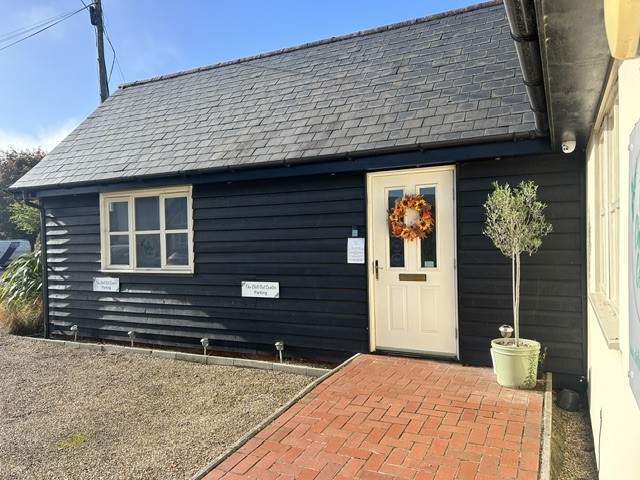
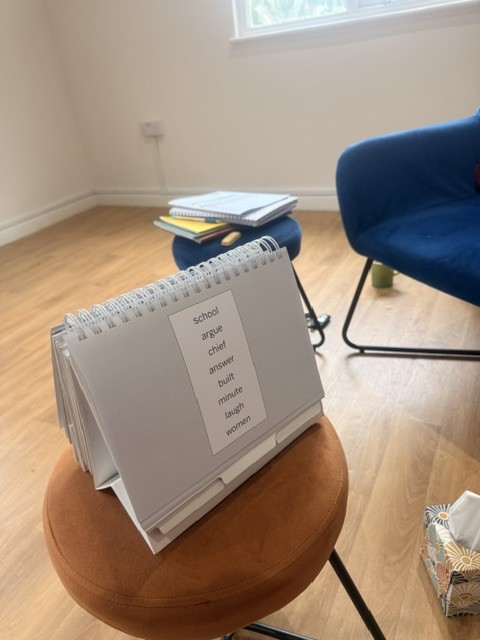
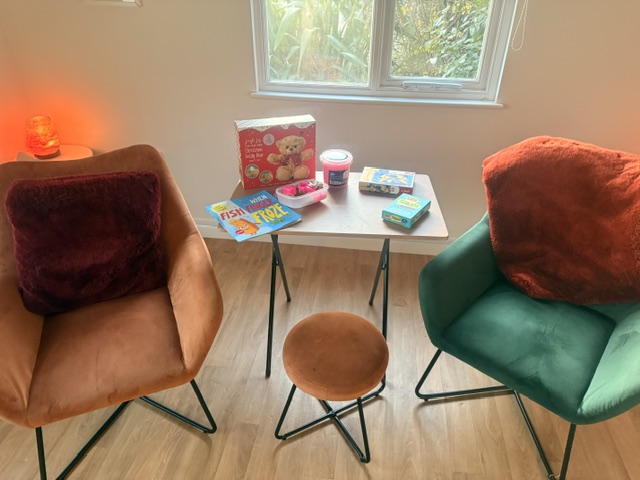
A look inside our clinic and sessions
Real moments from our Colchester clinic — calm assessment spaces and practical, strengths-based support for children and families.



Principles
What neuroaffirming actually means in practice
- Difference described alongside support need, never deficit alone.
- Sensory adjustments offered as standard, not on request: lighting, breaks, seating, no-camera options.
- Identity-first or person-first language, whichever the person prefers.
- Masking treated as clinically significant information, not as evidence against a diagnosis.
- Strengths, interests and coping strategies written into every report.
- Autistic and ADHD adults involved in reviewing our written materials.
Methodology
The seven-stage pathway
Our assessments follow NICE guidance (CG128, CG142 and NG87) and use internationally recognised tools, delivered by clinicians trained to research reliability standards.
Evidence base
The tools we use
No single instrument diagnoses anything. Tools inform clinical judgement; they never replace it.
- ADOS-2 and ADI-R for autism assessment, where clinically indicated.
- DIVA-5, Conners and QbTest-style measures within ADHD pathways.
- Structured developmental history across the whole lifespan.
- Sensory profiling and functional occupational assessment.
- Communication and language assessment where relevant.
- Screening for co-occurring anxiety, mood and learning differences.
Ready to Take the Next Step?
Book a no-obligation consultation, or send us a question and we will reply within one working day.